Water is a substance composed of the chemical elements hydrogen and oxygen and existing in gaseous, liquid, and solid states. It is one of the most plentiful and essential compounds. Water covers 71% of the Earth's surface, mostly in seas and oceans.
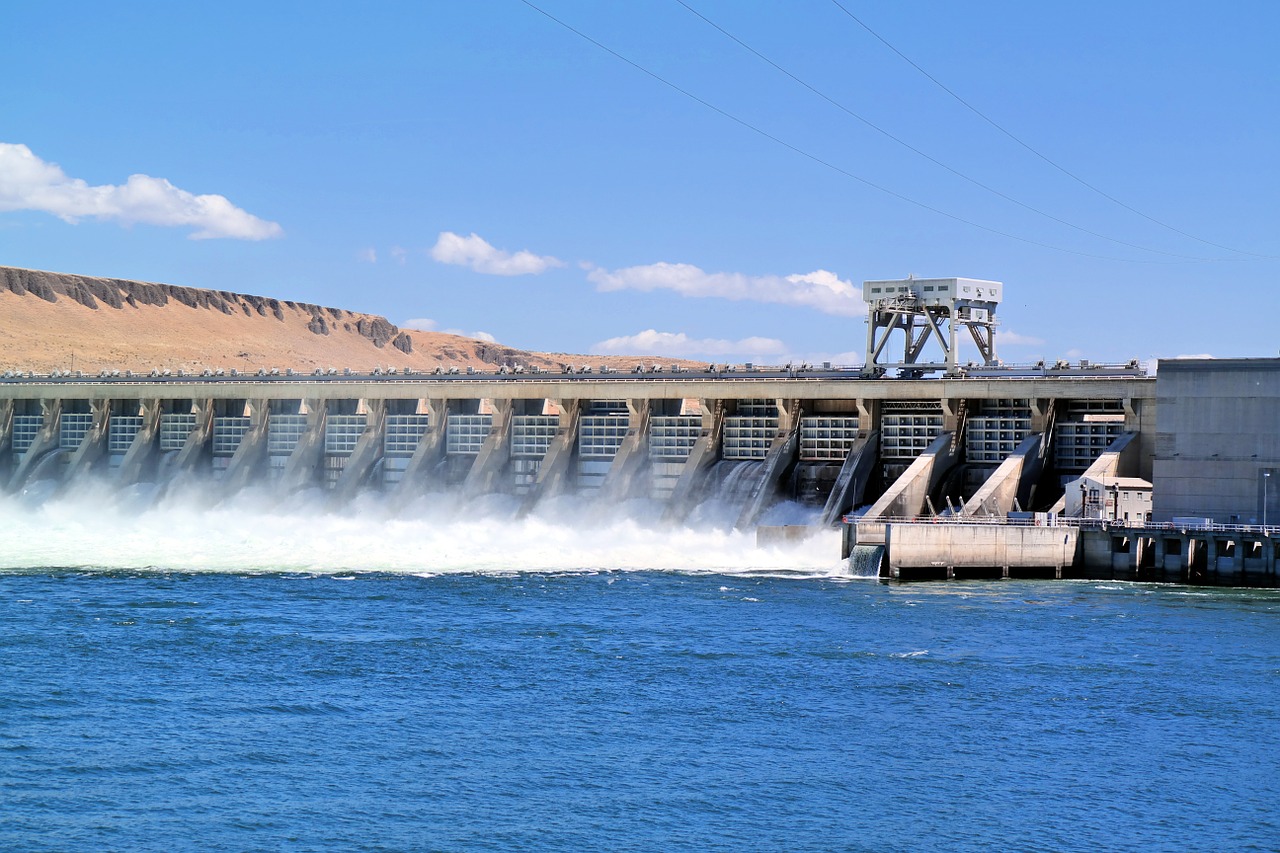 Hydropower is one of the oldest and most used types of renewable energy. In the past, it was used for mechanical milling for grinding grains, but in modern times it's a source of electricity. Hydropower produces 73% of global renewable energy. It is considered a form of renewable energy as a result of the water cycle.
Water evaporates into clouds and recycles back to earth as precipitation.
Hydropower is one of the oldest and most used types of renewable energy. In the past, it was used for mechanical milling for grinding grains, but in modern times it's a source of electricity. Hydropower produces 73% of global renewable energy. It is considered a form of renewable energy as a result of the water cycle.
Water evaporates into clouds and recycles back to earth as precipitation.
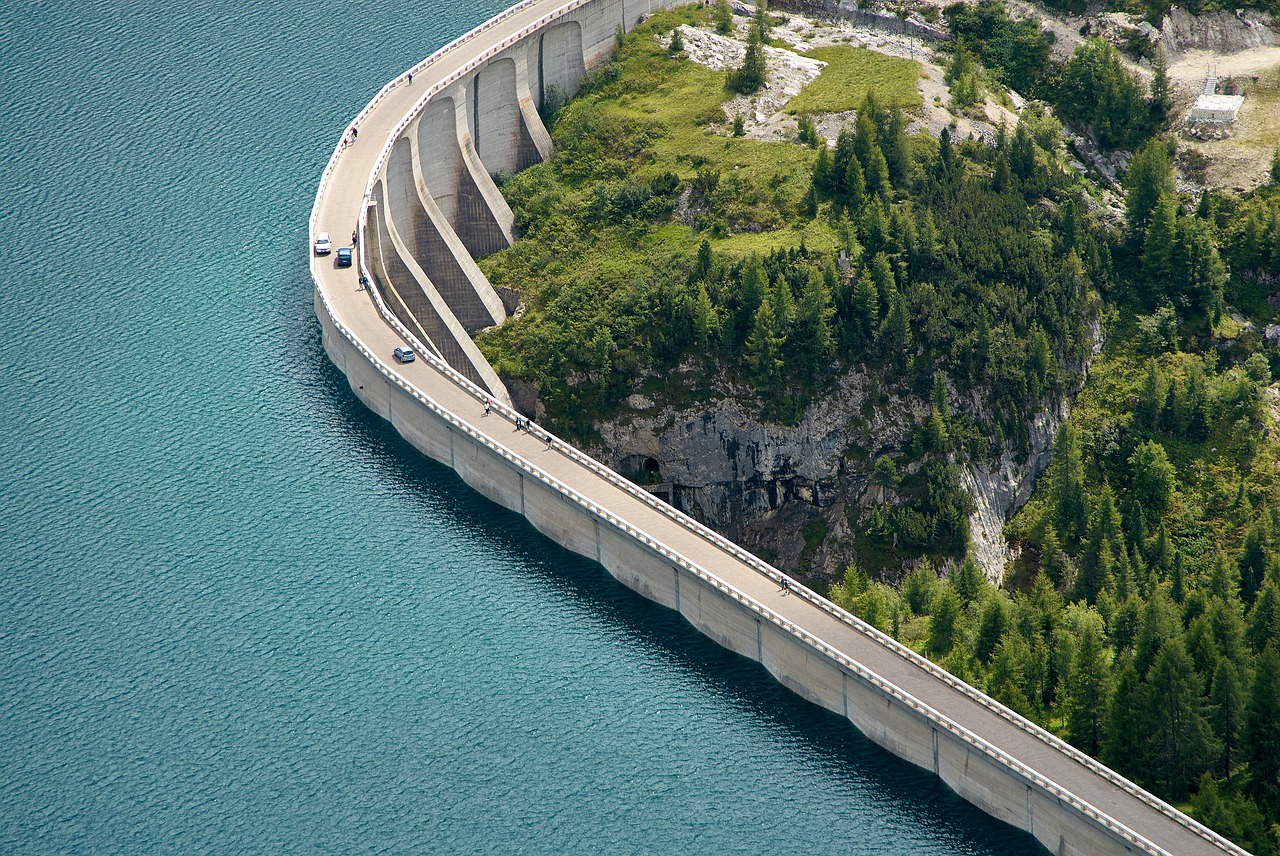 Hydropower relies on the mechanical energy created by moving water.
There are three main ways water technologies can generate electricity. Those are:
Hydropower relies on the mechanical energy created by moving water.
There are three main ways water technologies can generate electricity. Those are:
Impoundment dams:
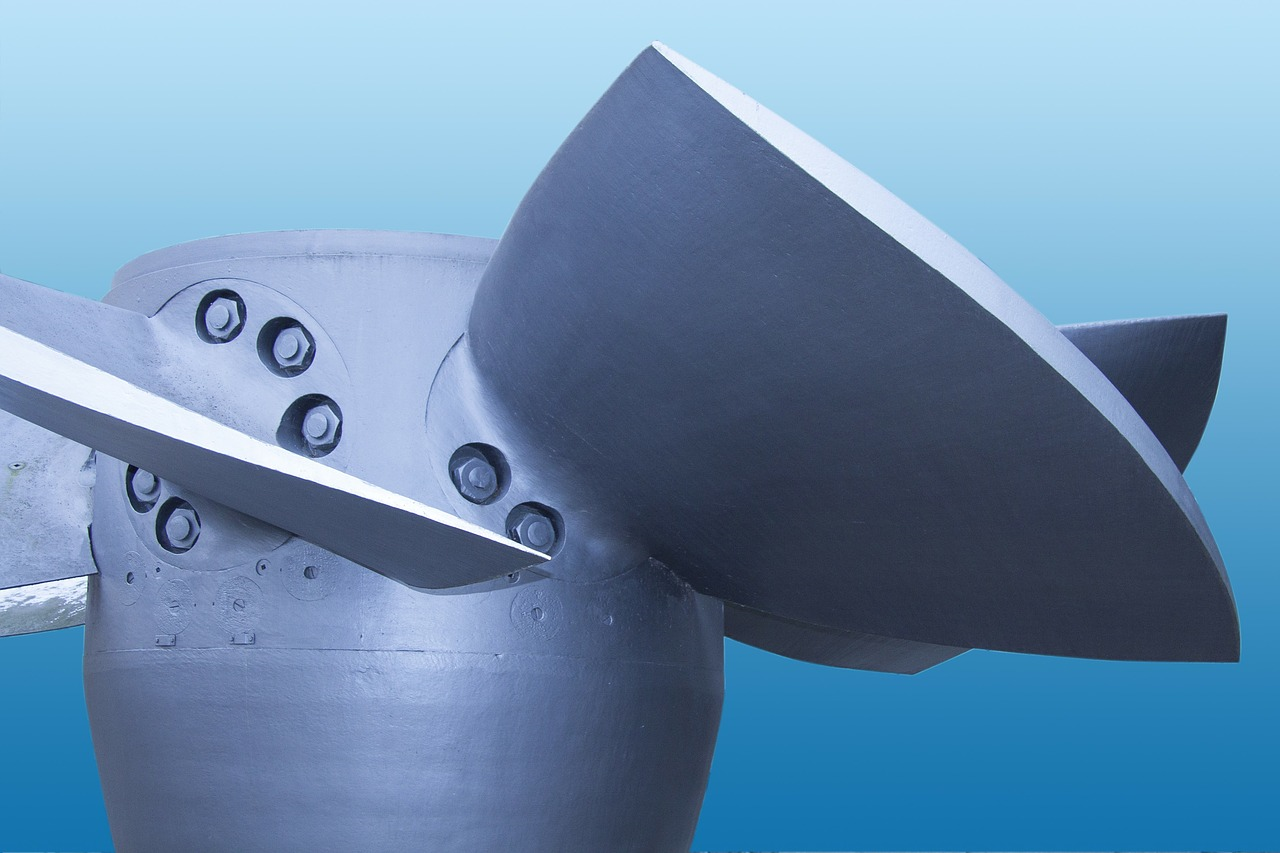
A dam is a large barrier constructed to raise water level and control its flow. The water is stored in a reservoir. When the water is released, it flows through and spins a turbine turning a generator that creates electricity. The great thing about this type of dam is that its a constant source of renewable energy(unlike solar and wind energy which depend on the weather) because they can store water they act like a giant battery.
Run-of-the-river/Diversion dam:
These types of dams are uniqe is that it relies on the nautral water flow rates of rivers. Diversion dams channel a small portion of a river through a canal or pipe. Because run-of-river dams are are subject to natural variabilities it is more intermitted than Impounded hydro energy.
Pumped-storage facilities:
Pumped-storage hydropower works by having water pumped back into a reservoir during periods of low energy use(usually at night when people are asleep. Then when more power is needed
the water is released to produce electricity.'There are various sizes of hydro plants depending on the energy they create. They are
- Large hydro: Greater than 30MW
- Small hydro: 100KW to 30MW
- Micro hydro: Less than 100KW
 The benefits of Hydropower are that its a reliable, stable form of renewable energy.
In some cases, damned reservoirs can help with flood control. It's a domestic source of energy, meaning that each state is can take advantage of it without being dependant outside resources. The speed at which energy is created makes it essential to provide back up energy during electrical disruptions or outages.
There are also a lot of dams that do not produce energy, but turbines and generators could easily be added, meaning that clean, renewable power can be obtained from these unused dams.
But there is some downside to these facilities. Construction of dams requires a lot of material especially concrete, releasing a lot of CO2, as well as methane released from rotting vegetation.
Dams can also have adverse effects on fish life, but researchers have created 'fish ladders' which let them swim around dams and also fish-friendly turbines.
The benefits of Hydropower are that its a reliable, stable form of renewable energy.
In some cases, damned reservoirs can help with flood control. It's a domestic source of energy, meaning that each state is can take advantage of it without being dependant outside resources. The speed at which energy is created makes it essential to provide back up energy during electrical disruptions or outages.
There are also a lot of dams that do not produce energy, but turbines and generators could easily be added, meaning that clean, renewable power can be obtained from these unused dams.
But there is some downside to these facilities. Construction of dams requires a lot of material especially concrete, releasing a lot of CO2, as well as methane released from rotting vegetation.
Dams can also have adverse effects on fish life, but researchers have created 'fish ladders' which let them swim around dams and also fish-friendly turbines.
→ Hydroelectric power is the most commonly used renewable energy source
→ The oldest hydroelectric plant is Cragside in Rothbury, England
→ The largest hydroelectric plant is La Grande in Quebec, Canada
→ Worldwide hydroelectric power generates enough electricity to meet the needs of 28.3 million people